Skip to content
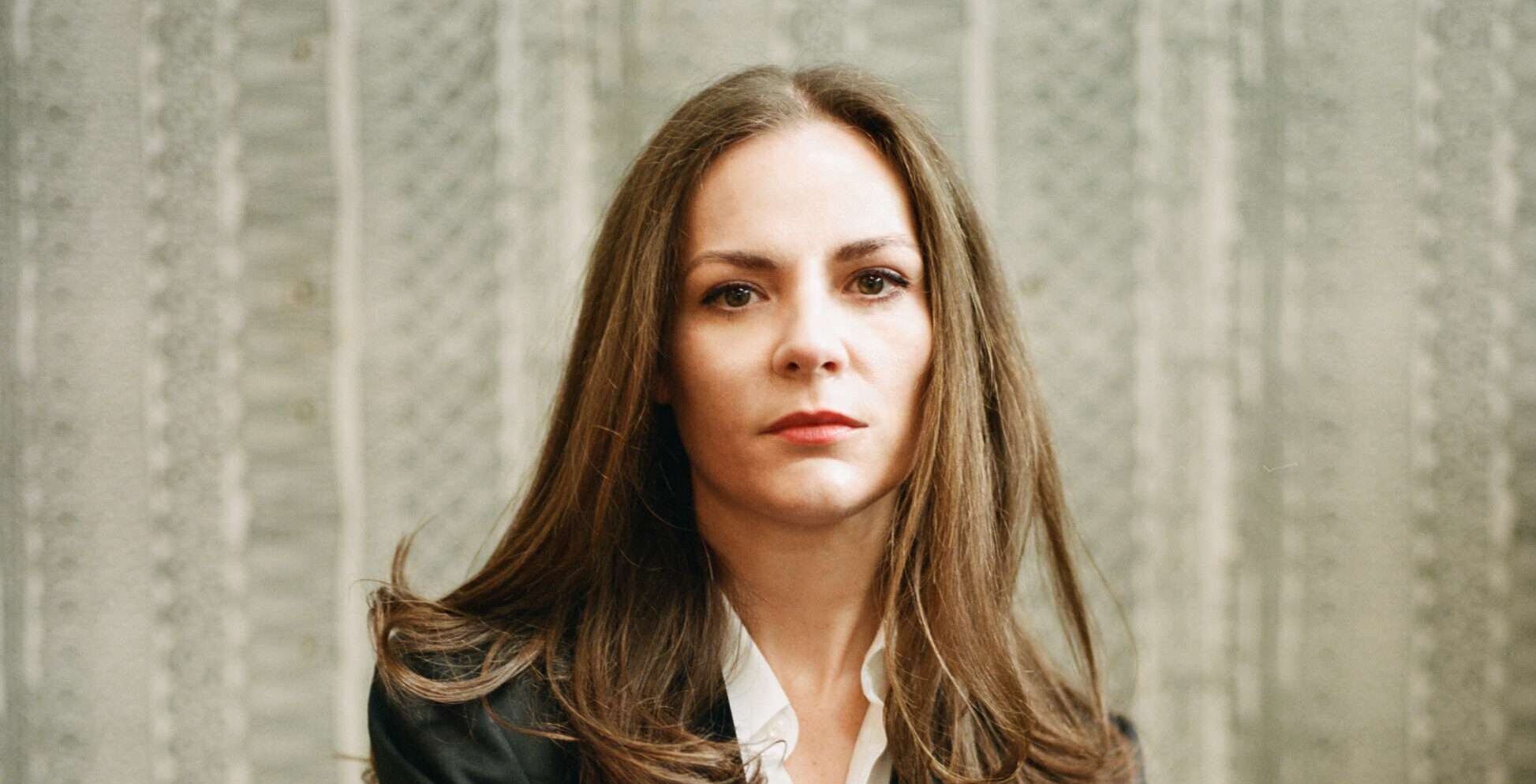
In our final Writers at Work interview for 2026, get to know features Naomi Pearce. With a background in Art History and textiles, Naomi’s creative practice trawls through archives, writes at crumbling cottages, bogs and mortuaries, and queers the Western genre, dissolving the line between artist and writer.
Tell us about your writing life. When did it start? What does it look like now?
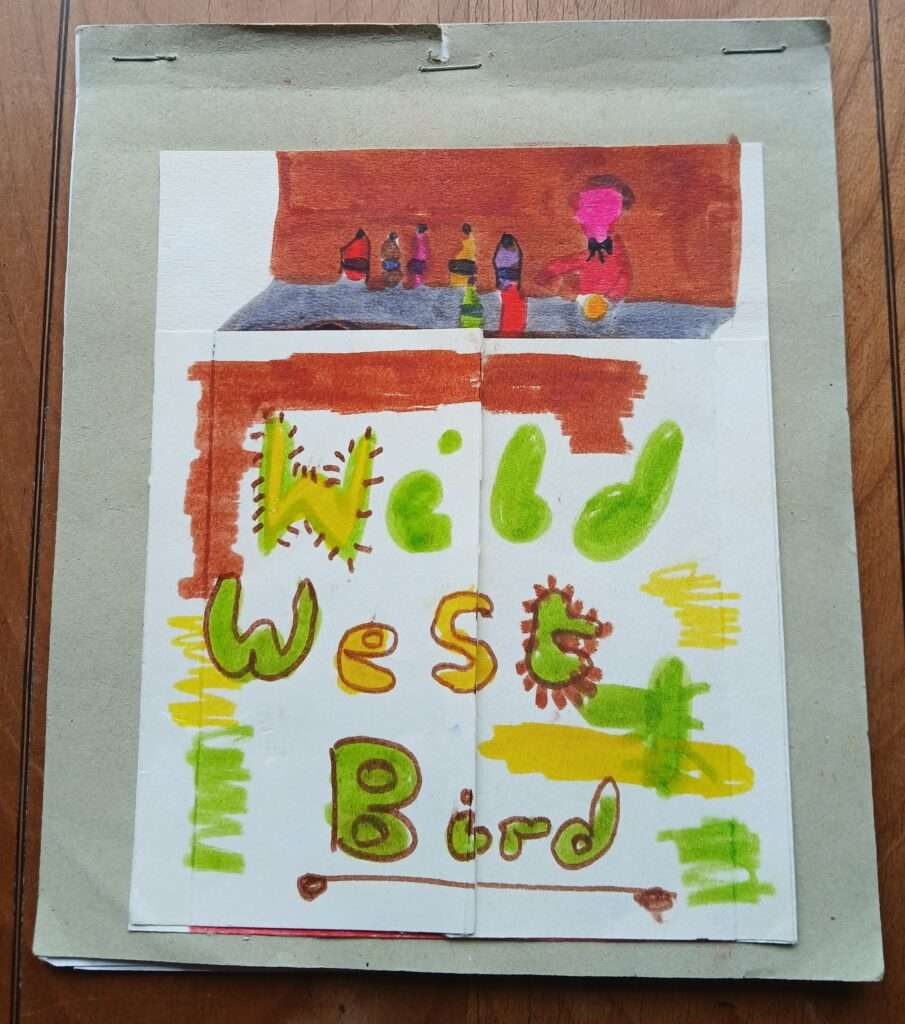
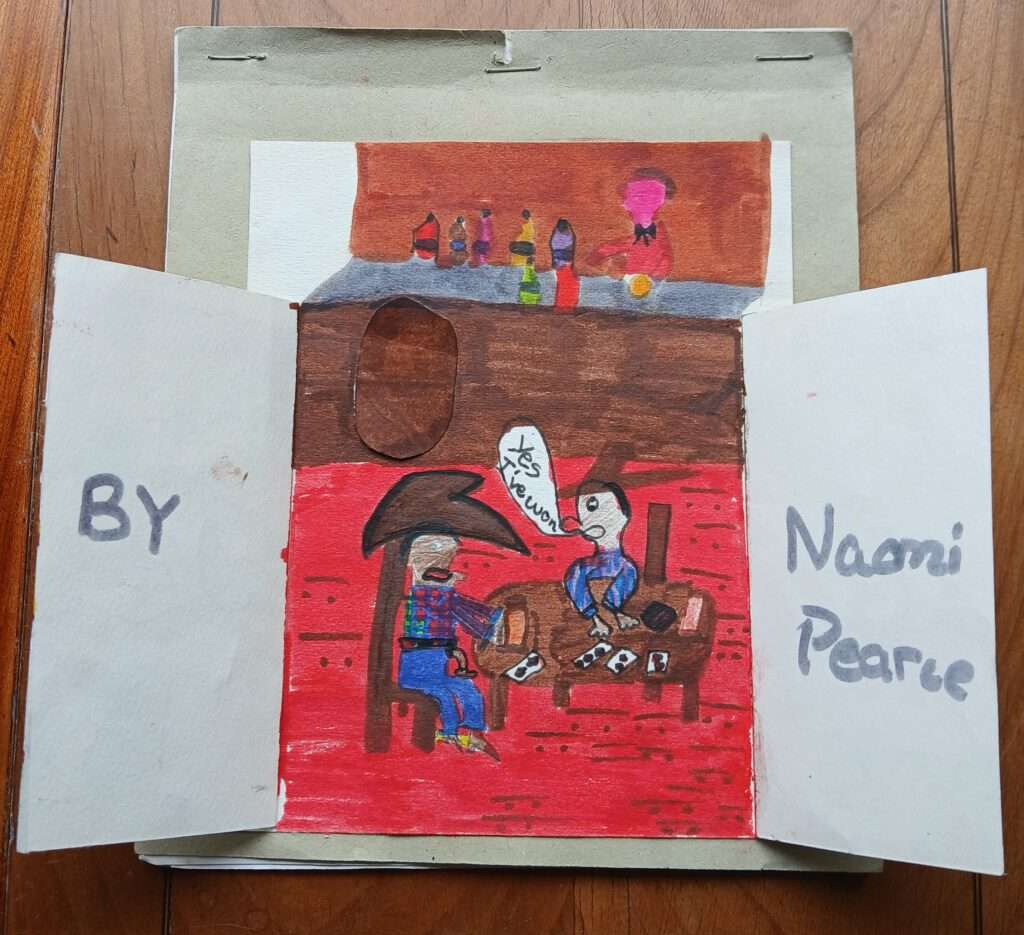
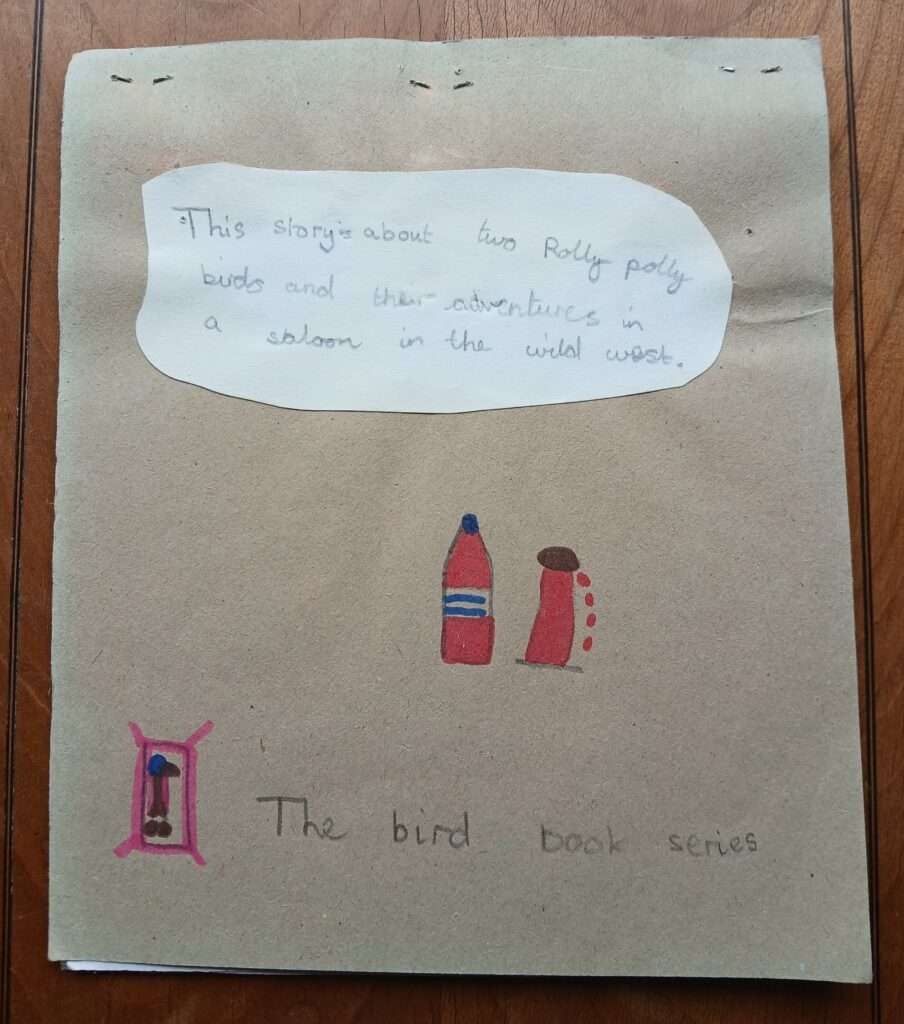
When I was eight, I won a £6 gift voucher from the Grantham Journal for my first book, The Rabbit Who Had a Habit, a story about a rabbit called Ben who can’t stop biting his nails.
I wanted to be an artist rather than a writer, though I no longer think of them as separate paths. I really like how Anthony Shapland describes his artistic background as an education in ‘learning how to look’. When I write, it’s always with or alongside images, thinking from different perspectives, treating words as material.
What kind of writing excites you most?
Brevity. Articulations of power. Erotica. Characters with a faulty moral compass. More than human narrators; Sarah Hall’s Helm giving wind a voice. Frame narratives; from Arthur Machen’s Three Imposters to Natasha Brown’s Universality. Anything that plays with truth and fiction but is definitely not memoir.
What are you working on right now?
This week I’ve been writing about a heartbroken woman who dissects an owl pellet in an attempt to process a string of failed relationships. This story forms part of a novel-in-progress that queers the Western genre. Set in the present, the descendants of good lifers and hippies intersect with the children of Meibion Glyndŵr, farming dynasties and incoming English retirees. What’s the difference between dropping out and being left behind?
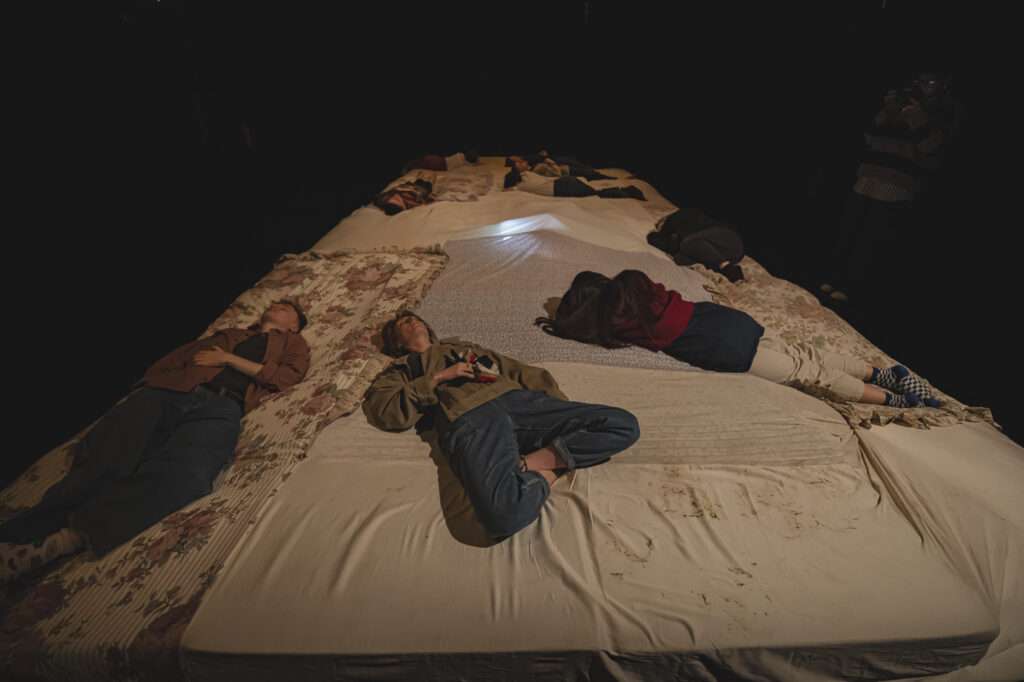
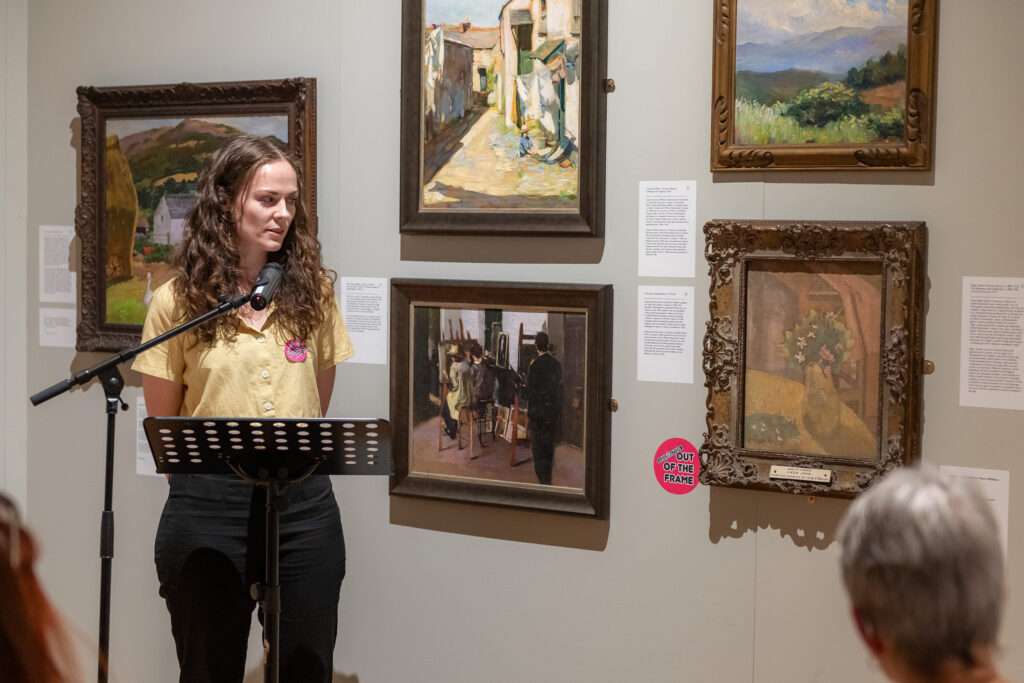
For the last few years, I’ve also been working on a creative non-fiction project investigating the relationship between bisexuality, bogs and the politics of lying down. It combines site-writing at Cors Caron, as well as interviews with acupuncturists and archaeologists, archival accounts of illness, public protest and art historical research. Chapters explore my encounter with ‘Old Croghan Man’ at a museum in Dublin, artist Helen Chadwick’s photographic responses to the Pembrokeshire coast, and the Chinese youth subculture ‘bai lan’ (let it rot). I’m sharing a new iteration of this project in July at a site-specific event at Cors Caron, as part of Manon Awst and Dylan Huw’s 2026 Cymru yn Fenis presentation ‘Sownd’.
Where do you write?
I write in my bed and the attic. I also write in-situ: at bogs, mortuaries, artist studios, modernist hotels, ruined farm cottages, archives etc.
When do you write?
I write when I must; sometimes because I have a deadline, but usually because I need to figure out how I feel.
And… Why do you write?
What can fiction do? Fiction doesn’t force its sources to go public; it accommodates multiple points of view, the human and the nonhuman; it lets bricks speak. Fiction encourages complex, complicit characters, shifting between the intimate and the procedural. It can tell you what she’s thinking. It can make the bad guys pay. Or not. Maybe they never do. Fiction might be the only retribution available. Fiction feels able to bear the weight of my demands for history to have been different.
Is there a book or author that has influenced you?
When I was about twelve, I found A Colour Purple by Alice Walker at my school library. I probably picked it off the shelf because I liked the sound of the title. I was too young to be reading this book – and within a few lines I knew it. I can still see myself crouched on the floor between the stacks, heart beating with fear, as the voice of Celie talking to God rang in my ears.
And what role does reading play in your creative practice?
I read broadly, but not deeply. I’m promiscuous; there are always piles of half-finished books by my bed.
I do a lot of research in and with archives, so my writing often begins with found text: a letter or diary entry, minutes, contracts, newspaper clippings and online comment threads. I’m always reading as I write, the key thing for me is disciplinary variety. For the Western I’m currently working on, I’ve taken as much inspiration from a lambing instruction manual as I have from Bruce Chatwin’s On the Black Hill.
Reading my peers and talking about their work fuels my creative practice. This probably stems from art school, where feedback is considered integral to your growth, but it’s also rooted in my interest in genre fiction. A genre fan knows citation and recirculation are the lifeblood of imagination: storytelling is always a collective rather than an individual endeavour.
Tell us about something you are really proud of.
The thought of being proud of myself makes me feel sick.
What’s the best advice you’ve been given as a writer developing your practice?
Stop trying to write like your idols: the task is finding your own voice. Or as George Saunders puts it, accept your ‘shit-hill’.
There are so many ways to have a creative career. What would life as a ‘working’ writer look like for you?
I want to be read.
I want to teach alongside writing; my students keep me questioning why things are the way they are.
Dw i’n dysgu Cymraeg. I hope one day I’ll be able to write in this ancient, living language too.
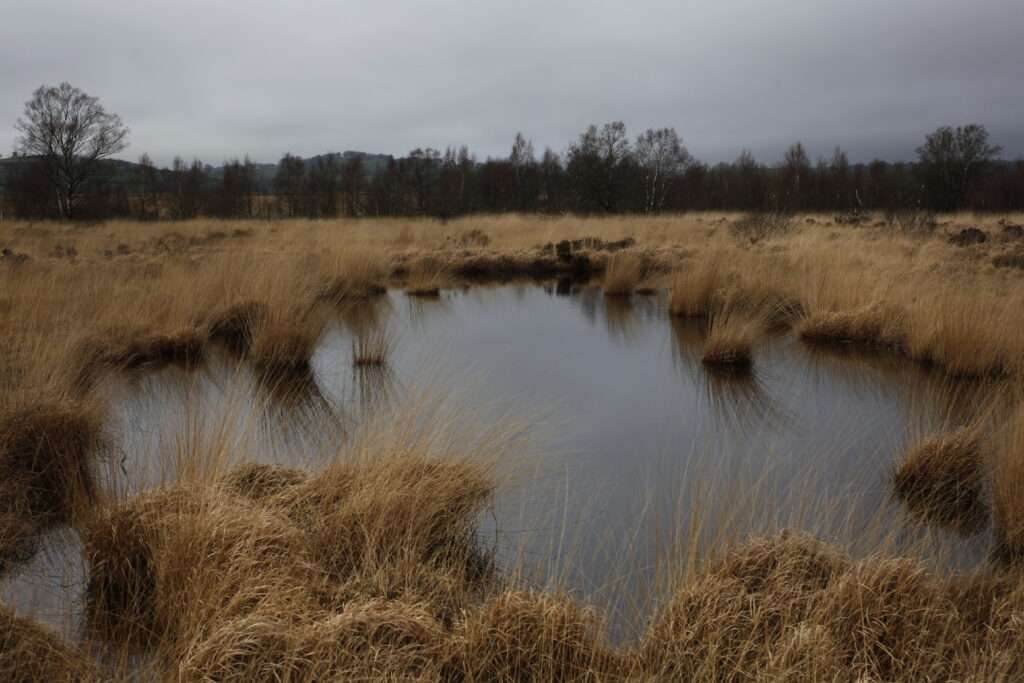

Naomi Pearce is a writer living in Ceredigion. Her debut novel, Innominate (MOIST Books, 2023), was described by Iain Sinclair as 'a classic of local archaeology.' Drawing on a background in textiles, her work weaves together feminist and queer histories, place, ecology, and art. She has been published in Art Monthly, British Art Studies, LA Review of Books, TON Magazine and The White Review, amongst others. Naomi teaches fine art and art history at Aberystwyth University.