Skip to content
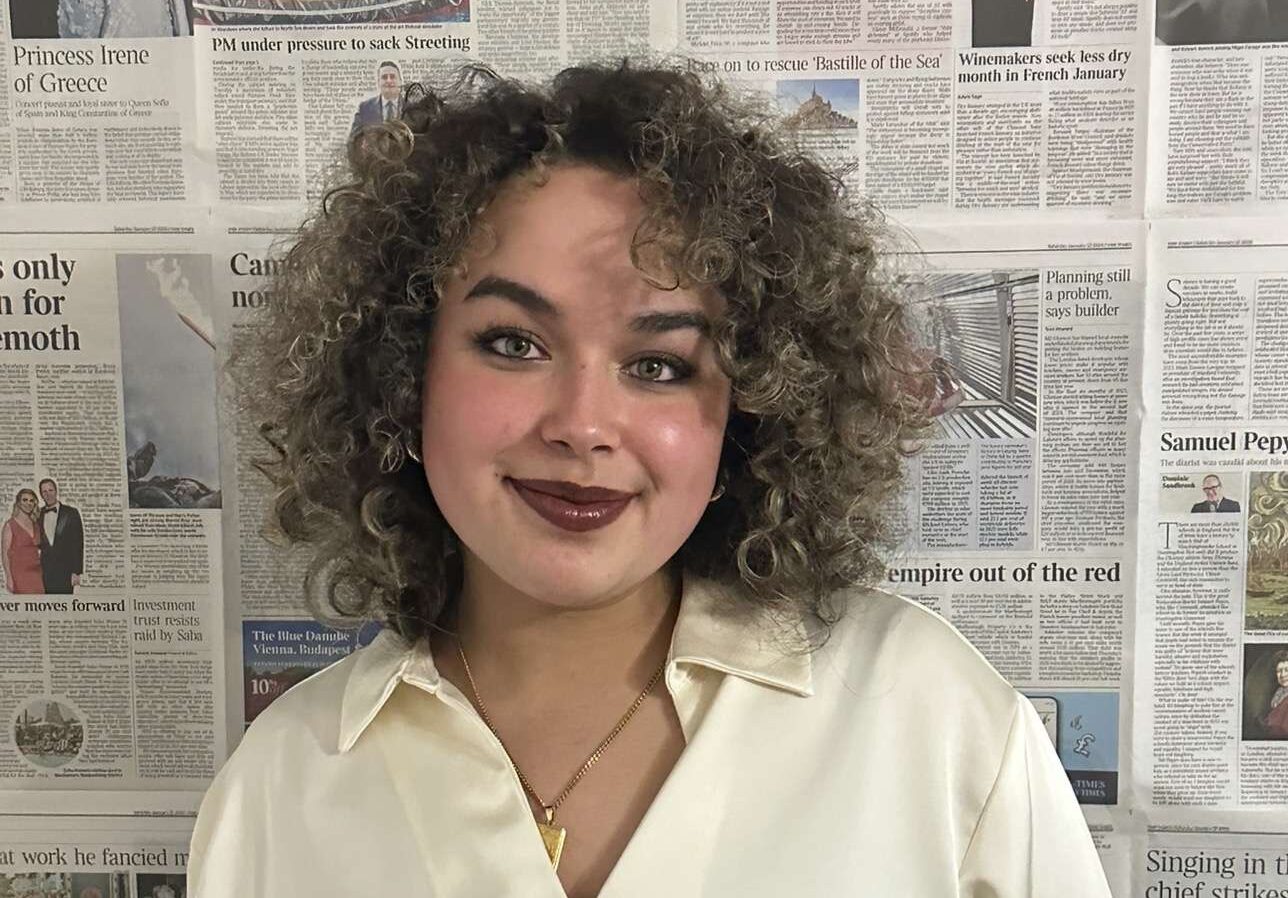
In our penultimate Writers at Work interview, we meet Emily Paradice-Ruan, whose practice spans autofiction and children’s books. We loved hearing about the role of vulnerability in her practice, her literary heroes and the dreamy liminality of trains and beds, as well as the immortal words of Samuel Beckett.
Tell us about your writing life. When did it start? What does it look like now?
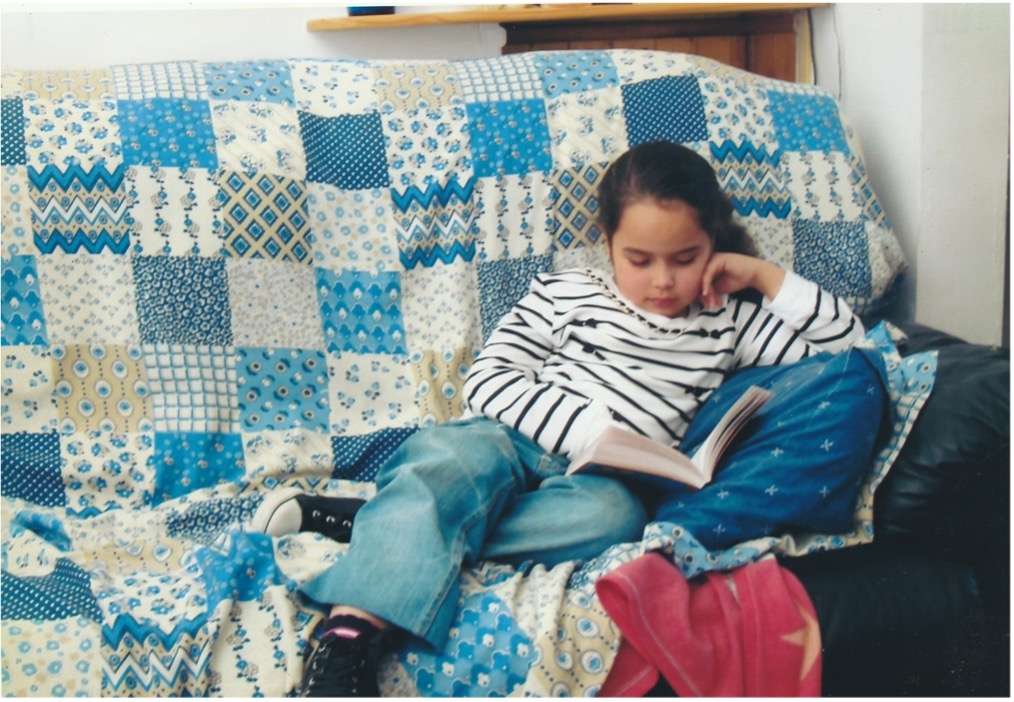
I can’t really pinpoint when I started writing, to be honest with you. My mother remembers my writing getting acknowledged in school, and my being told I had an aptitude for it. I’ve always loved drawing, too, so the realisation that I could fold a few sheets of A4 and create something resembling a book was enough to excite my creative senses. I also remember my father telling me that writing books could be a ‘job’, too – that some of my favourite storytellers made money doing it – and struggling to understand from then on why anyone in their right mind would pursue anything else.
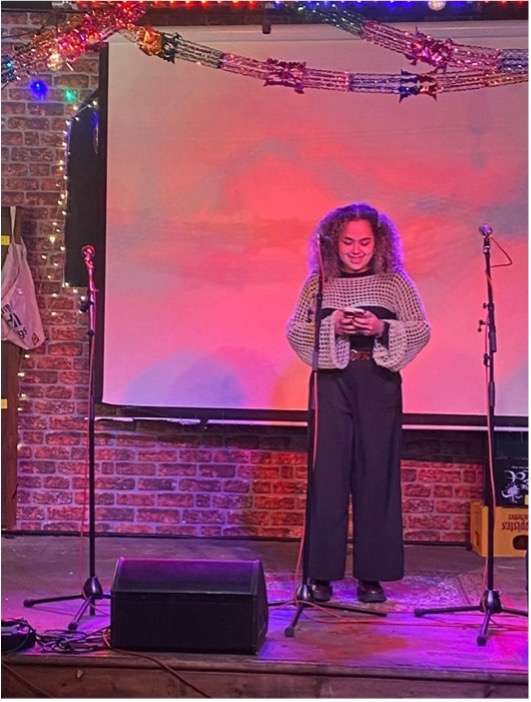
Now, my writing life looks like sitting on trains and in coffee shops with several iterations of the same story open in different word documents. Being on a Creative Writing MA means I’ve been lucky to have had a year of workshops and discussions and open mics which have helped my work come on a great deal.
What kind of writing excites you most?
I love writing that forces me to confront our humanity head on. I’m always trying to mimic the work of writers like Dave Eggers (who became a young carer at the same age I did) and Alys Conran, who demonstrates the courage it takes to be vulnerable and ‘truthful’ (even in fiction, and as contentious as that word is). All those things so few want to address – what it is to be a young carer, or what it is to live in a working-class Wales, for instance, are not just touched upon but dove-tailed into. Writing that renders the uncomfortable worthy of conversation – that’s the writing that excites me.
What are you working on right now?
My autofictional novella Fledglings. It’s been the focal project of my Creative Writing MA and surrounds two old friends from Swansea, grappling with the challenges of young carerhood and addiction. I’m also working on writing and illustrating my debut children’s book Wyatt Whale which charts a physical and metaphorical journey to developing self-belief and finding purpose. They’ve both been really cathartic to write and I’m hoping they will find a home out in the world when it’s time.
Where do you write?
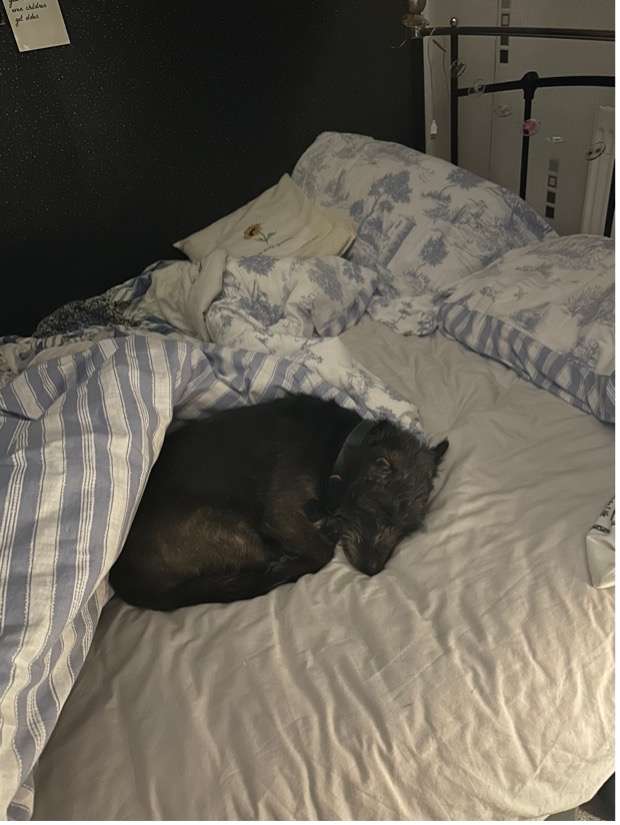
Usually on trains or in bed. I spend a lot of time on/in both, so it feels the most comfortable. I think that trains share a lot in common with the spaces we fall asleep in. Both of them transitory and liminal and facilitating dreams.
When do you write?
Mostly at night. Between commuting for my studies and my care responsibilities, I usually just have to grab spare moments when they arise which can be hard. So, I might jot down a note here or there in between errands and then sit devotedly at my computer when everyone’s gone to bed.
And… Why do you write?
To write, for me, is to exhale. I know that probably sounds pretentious but it’s true. I often don’t know what I think about something until I put it down on the page, and it’s the only place that can house what I feel without guilt or shame. It’s as crucial as the in breath, and impossible to conceive of a life without.
Is there a book or author that has influenced you?
Dave Eggers’ book A Heartbreaking Work of Staggering Genius is what opened my eyes to the possibilities of autofiction. I’d never read anything like it before – something so daring and witty and searingly painful. I’d also never seen someone write with such an acute awareness of what it means to be an observer to critical/terminal illness. He told me things about myself and my experience in that book. All my work since has been some attempt at doing the same.
And what role does reading play in your creative practice?
When I get bogged down in what I’m doing or start to question the reach my writing can have, my reading always acts as a catalyst. The work of writers like Alys Conran and Rachel Trezise remind me of what expressive, cleverly wrought and emotionally charged writing can do. It also reminds me of the sheer force of Welsh writing, and what a fabulous time and space we exist in for its creative output. Reading good work is like driving a beat-up Nissan Micra and seeing a classic Shelby Mustang drive past. It makes me think, ‘I want to go where they’re going’.
Tell us about something you are really proud of.
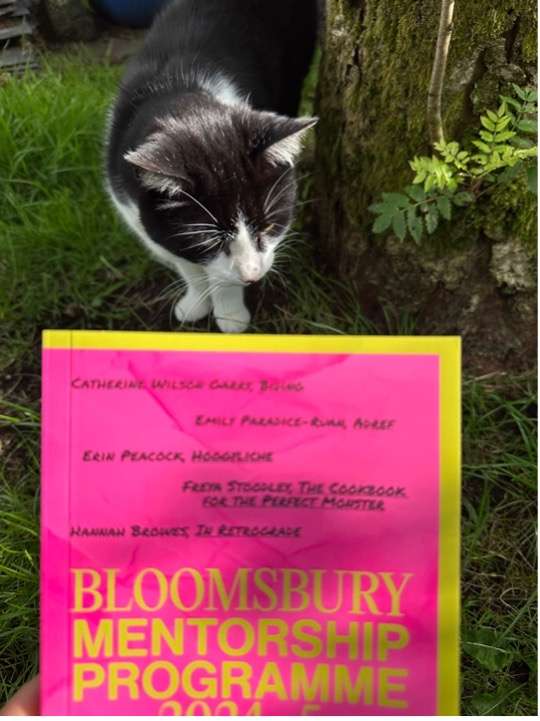
I was quite proud when my work got shortlisted for the Bloomsbury Mentorship Prize. I’d just come off the back of some harrowing life experiences and had someone tell me I’d never be a writer, so to have my work acknowledged amongst a sea of talent was extraordinary. I felt like I was floating. And now, to be on the Writers at Work programme and get to situate myself in a Welsh literary scape – well, it just feels too good to be true.
What’s the best advice you’ve been given as a writer developing your practice?
One of my undergraduate lecturers told me that old adage of Samuel Beckett’s and it’s always stuck with me: fail better. I think we all need reminding sometimes that any motion is progress, and writing of all kinds needs to happen before the ‘good’ stuff emerges.
There are so many ways to have a creative career. What would life as a ‘working’ writer look like for you?
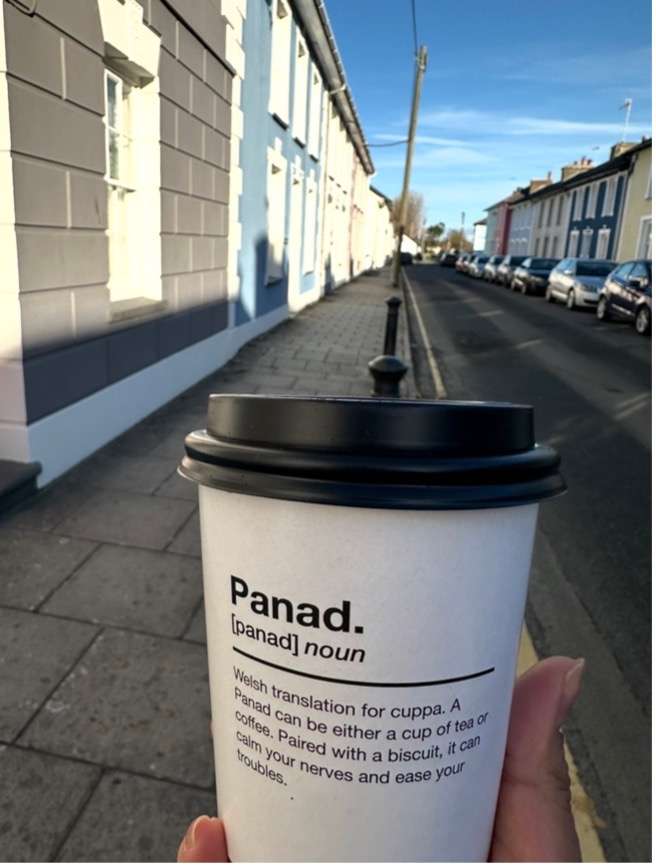
I’ve dreamed of being a teacher for a long time, so the idea of getting to share my creative practice in that way really excites me. That said, a creative career in any sector would be welcomed if it could facilitate my creative interests and let me share them with others. If I could write and work with people creatively whilst funding my coffee habits, I’d be very happy!

Emily Paradice-Ruan is an autofiction and aspiring children’s book writer/illustrator from Swansea. Emily interned as a journalist for Trill Magazine, acted as prose editor and resident artist at The Tonic Review, and now facilitates undergraduate writing workshops whilst completing her Creative Writing MA. Her debut short story ‘Adref’ was published in the Bloomsbury Mentorship Programme 2024-25 anthology for which she was shortlisted. She now has designs to pursue a PhD in Creative Writing and publish her autofictional novella Fledglings and children’s book Wyatt Whale.