Skip to content
The advice on folklore as a child in Cardiff was simple: don’t whistle at night in case a jinn gets you, avoid the criteria for becoming a churail, and if in doubt, recite the kalima. This is what my Dadima told me, a Panjabi term for your paternal grandmother. Churail is the translation of witch, but there are many regional translations. In Pakistani folklore, witches live in the woods, where they target lone men. Certain experiences can mark you out as likely to become a witch: dying in childbirth, being abused, or being mistreated. Women come back as witches for revenge, targeting the men in their family.
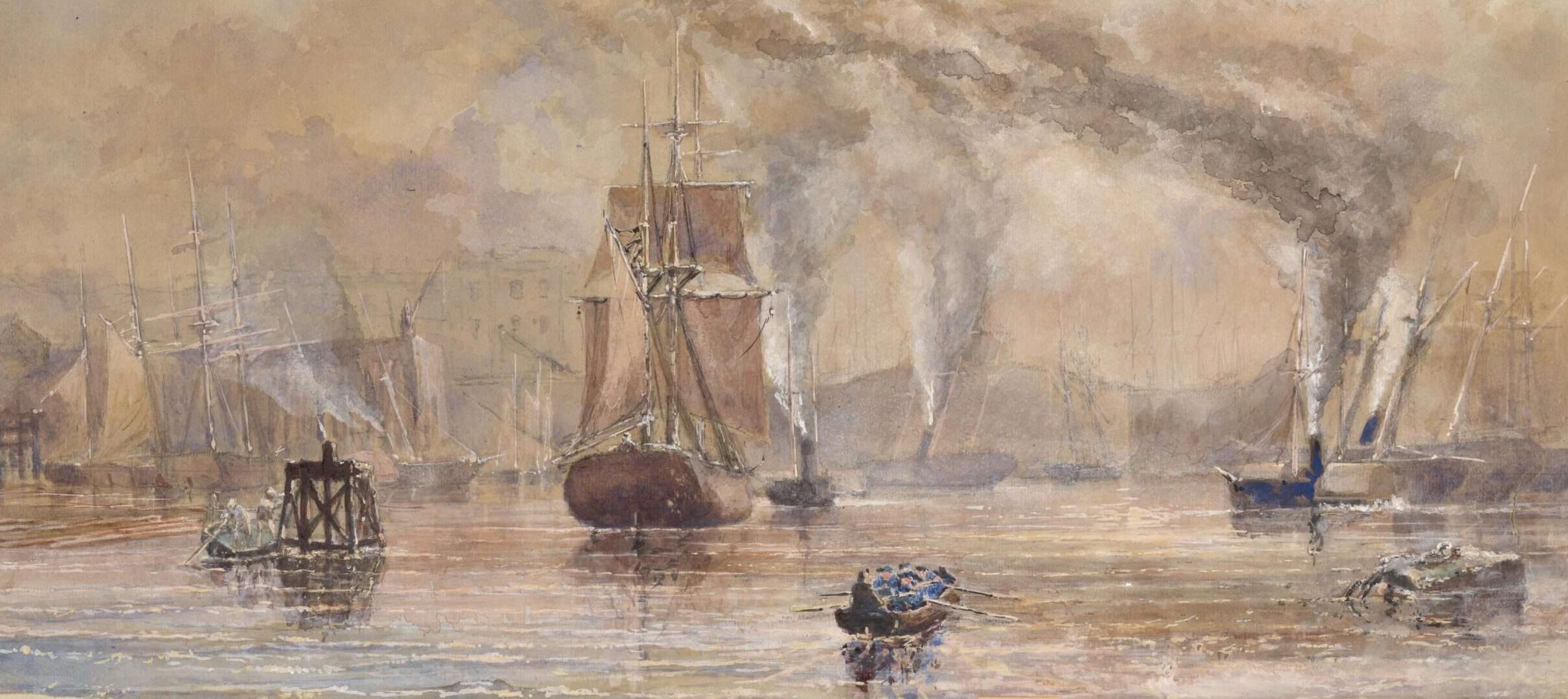
I grew up in a housing association created by the Cardiff Bay Development Corporation, a stone’s throw away from the banks of the River Taff. If you were lucky, really lucky, that’s where you might hear an elder talk about a ghost, a jinn, or a ghoul. Cardiff is home to the second oldest community of Black people and people of colour in the United Kingdom. For nearly 200 years, we’ve called Cardiff home. And it’s not unusual to hear stories of ghouls and spectral ghosts in Welsh tradition, too – especially after someone has died.
Welsh folklore has seen a renaissance over the past decade. The Mari Lwyd, once a local Glamorgan-specific ritual, has recently gone Wales-wide. Welsh Folklore has seen such a revival that the term ‘Sainffaganaidd’ was written into the Geriadiaur Prifysgol Cymru, the Welsh language dictionary. The definition is given as ‘to cause (something) to be like a building or an object in the museum of Welsh life at St Fagans.’ In English, St Fagans is known as the St Fagans National Museum of History, but in Welsh it is Sain Ffagan: Amgueddfa Werin Cymru. Literally rendered into English, this means St Fagans Museum of Welsh Folk Life. The term ‘gwerin’ is difficult to translate into English: one definition is ‘folk’, but a better definition is ‘peasant.’ Another definition is ‘common people’ or ‘proletariat.’ English language folklore is ossified, friendly, without teeth, from the old times: in Welsh language folklore, the gwerin are opposite to the crachach, the Welsh-language-speaking bourgeoisie.
Wales’ contemporary identity of folklore, myth and legend owes much to Iorwerth Peate. He was appointed in 1927 to the Department of Archaeology in the National Museum of Wales, cataloguing folk collections, and later became the Curator of St Fagans. The museum itself is synonymous with Welsh folklore and folklife, and it would go on to become the largest printer of books on Welsh folklore, often bilingual editions. These editions were frequently void of references to the local Glamorgan life, and focussed uniformly on Cymru-Gymraeg. It became a blueprint for how Wales saw itself.
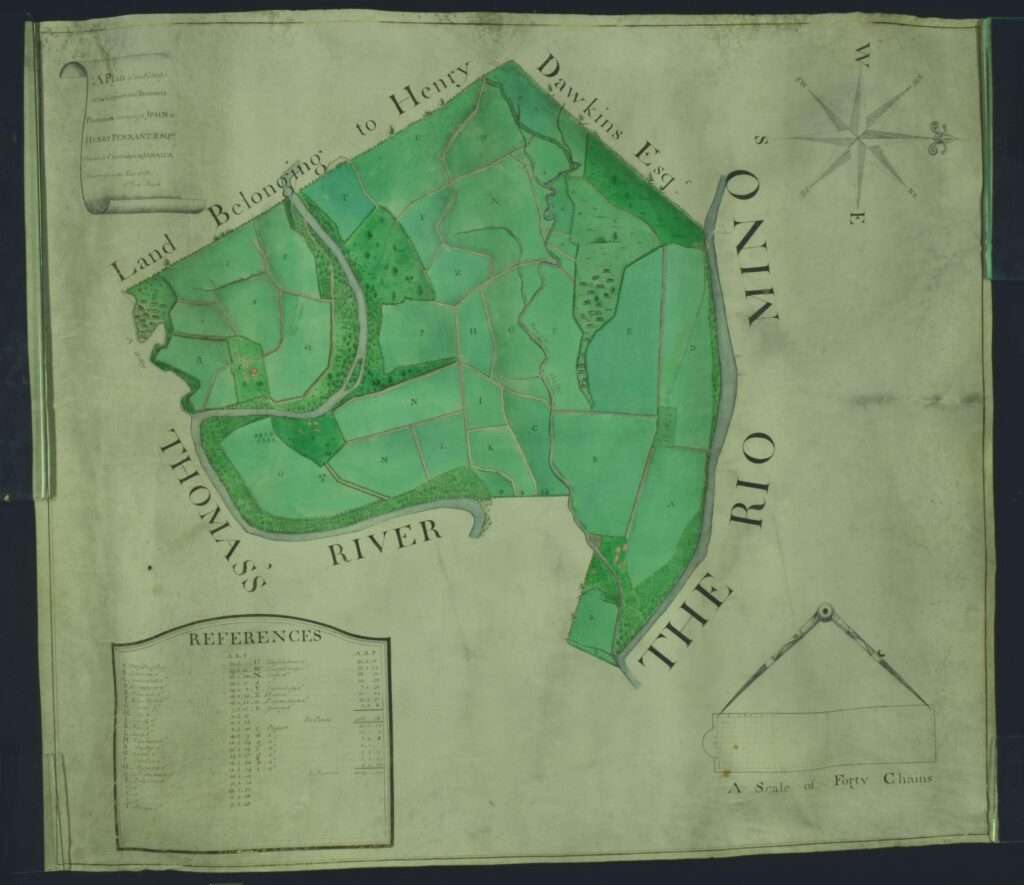
The roots of the folkloric project at St Fagans began, however, far earlier than its founding. In 1802, what is believed to be the first folkloric study of Wales by a Welshman was undertaken by the antiquarian William Williams in Observations on the Snowdon Mountains; With Some Accounts of the Customs and Manners of the Inhabitants. This work was intended for ‘the private use of the Right Hon. Lord Penrhyn’, who was also known by the name Richard Pennant. Delyth Badder and Mark Norman in The Folklore of Wales: Ghosts explain Williams’ book was ‘written as a guide for Richard Pennant, the first Lord Penrhyn, providing description of the landscape, community, and lore of Eyri, and was written from a purely Welsh perspective rather than that of the English gentry.’ The book was written specifically for Welsh people to reclaim their stories from bourgeoisie English interpretation. Penrhyn’s quarry in Gwynedd was famously financed by plantations in Jamaica. The Pennant estate was one of the largest in Jamaica, around 20 times larger than the average. One of the plantations was so large that it included its own factory to process sugarcane. The process of reclaiming and decolonising Welsh folk stories is inextricably intertwined with slavery, exploitation, and colonisation in the Caribbean. It isn’t a clear-cut story of reclaiming Welsh stories from the English.
Pennant’s ‘guide’ – like St Fagans museum – offers a very narrow definition of what constitutes folklife or folklore in Wales. Five years after the Black Lives Matter movement in 2020, institutions are turning their backs on pledges of anti-racism and multiculturalism. What little work is done is often done under the banner of “ethnic diversity”, suggesting that Welshness is inherently non-diverse and – markedly – without an ethnicity (and therefore, probably without a race). I’m part of the one of the oldest continuous non-white communities in the UK: it is very non-diverse, very boring, and very normal to hear jinn stories in Cardiff. Communities in Cardiff lived “diversity” long before it became a catch-all phrase for anybody who wasn’t white. But, if you didn’t grow up there, these histories might be seen as unusual, or perhaps, even idiosyncratic.
Celtic topographies scatter and populate cartographies across the Caribbean: Llanrumney (Jamaica), Wales (Guyana), and Penrhyn (Jamaica). Perhaps most famously, Captain Henry Morgan, former Lord Governor of Jamaica, named his plantation Llanrumney Estate, after his hometown in South Wales. Across pubs and bars in South Wales today, Captain Morgan is still the house rum. For generations in Cardiff, a rumour has circulated that Llanrumney Hall is haunted by Captain Morgan: in this folktale, Captain Morgan didn’t need a visa to sail across the Atlantic Ocean and come back to haunt Cardiff. Ghosts, generally speaking, don’t need any paperwork.
Yet Wales’ relationship to the Caribbean isn’t just marked by figures like Captain Morgan, the Pennants or the Gladstones. A notable influence reshaping how we see ourselves (and our folklore) is Betty Campbell. There’s a statue commemorating Betty Campbell in central Cardiff, the first Black headmistress in Wales. It is the first outdoor statue of a named woman in Wales. At Betty’s feet are mini bronze models of Butetown landmarks, like the Wales Millennium Centre and the Pierhead building. In an oral history with Adeola Dewis, Campbell talks about Boxing Day Carnival, a folk custom from the West Indies which took place in Butetown. In the interview she says:
One will be playing the bomb, one will have the bottles, one will be playing a flute or something or other and they used to walk around the streets dressed up. It wasn’t like carnival carnival, but it was like a carnival event. They would walk down the streets, nine or ten of them, and kids used to follow them. Then, sometimes they will go into people’s houses and the music will be going into the night.
Betty’s childhood experiences of Boxing Day Carnival are tied to folklore and folkloric practices in Wales – and, in an odd manner, speaks to the wassailing traditions of the Glamorgan Mari Lwyd folklore.
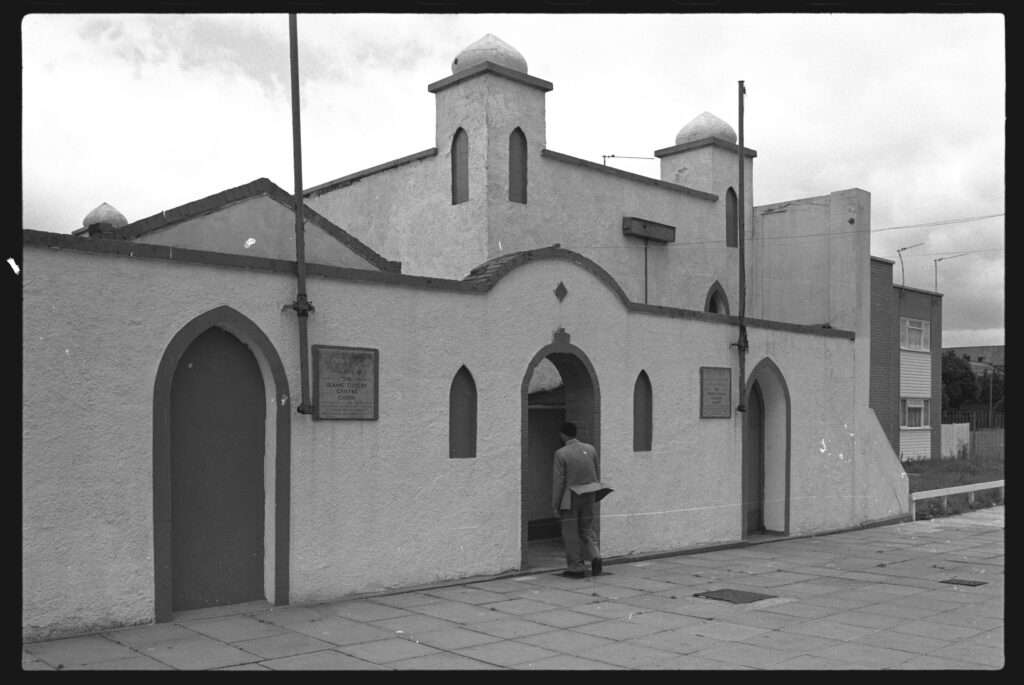
Glenn Jordan and Butetown residents set up Butetown History and Arts Centre and undertook a myriad of oral histories, including folklore and ghost stories of Tiger Bay, from the dozens of nationalities that call Butetown home. In one interview undertaken by Glenn, Betty speaks about her experiences having been evacuated to Aberdare in Rhondda Cynon Taf during WWII. But if the gwerin of Butetown was reflected within Peate’s conception of Welsh folklore, we might expect to find buildings from Tiger Bay, oral histories from Docks Elders, and perhaps even religious artefacts from the first mosque in Wales at St Fagans. But we don’t – it’s only Welshmen working in Wales who can be expected to be experts on Welsh folklore, and our own Black, Asian, and Minority Ethnic folklore beyond the white gaze.
Ferdie Isaacs was born in Jamaica in 1935, and moved to the United Kingdom when he was 22 years old. Each day when he woke up, he would record his dreams. Dream interpretation in Jamaica, as in many other parts of the world, is a form of divination: a way of telling the future.
Yvonne Connikie is a Welsh-Jamaican curator, writer, and filmmaker based in south London. She became the custodian of Ferdie’s tapes after he passed away. Ferdie and his wife were married in London, but she disliked the city, so they moved to Newport. His sister, Eulah, ran Silver Sands: the first Caribbean restaurant in Newport. Silver Sands is the name of a beach in Barbados, and Ferdie suggested it, as his wife was Bajan. The restaurant was eventually shut down after being site to numerous raids, some including police dogs.
Yvonne grew up in Pil before moving to London. Yvonne and I speak about the Marcus Garvey and Garveyism in Britain, and she speaks about the Jamaican national motto, ‘Out of many, one people.’ She remarks:
Within the culture, we have lots of sayings. You know that, don’t you? What’s written in the history of books is to remember what was there before colonialism took place. Colonialism has completely changed history, and western civilisation has done it as well. It doesn’t want us to remember because it’s too powerful, and it will change the whole course of history.
Welsh museums don’t openly talk about colonialism. Yvonne’s comments feel both poignant and heavy.
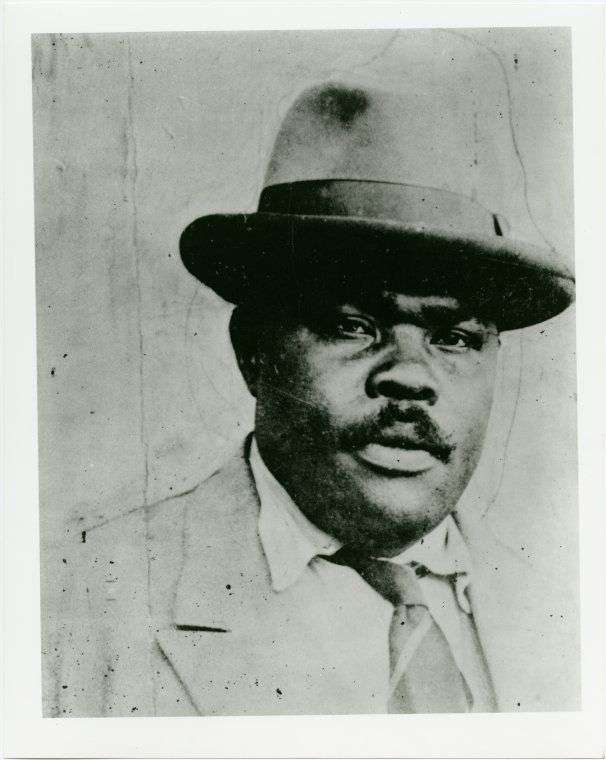
Garvey – a Jamaican political activist, a prophetic figure in Rastafari religion, and a former Cardiff resident – was the founder of the United Negro Improvement Association. The UNIA was a worldwide pan-Africanist movement which organised 6 million people at its height, with a Welsh chapter located just off Bute Street. Following the Cardiff 1919 Race Riots, which saw the city plunged into three days of racial violence, leaving three dead and many more injured, Garvey told a ghost story at the UNIA Congress in New York – or better put, a duppy story. He told the congress that the race riots began because two Englishmen had come to Cardiff, decapitated a Jamaican, and used his head as a football. Those arriving in the West Indies after being deported from Cardiff following the riots arrived to news of Englishmen decapitating Jamaicans on Bute Street: the first time they’d heard of the rumour.
Nobody was decapitated at the 1919 race riots: but it didn’t get in the way of a good story. According to Badder, the Garvey decapitation story has its roots in a ghost story on the banks of the river Ely, first published in 1903 by the Cardiff Naturalist Society. A man had been drinking on the Cowbridge Road in Cardiff, and as he was walking home to Leckwith, he was followed by a ghost. The ghost was a former boatman, and the devil was playing football with his skull. Eventually, the ghost led the man to the banks of the river Taff, where the devil was scared away, and the man’s head was buried, before the ghost disappeared.
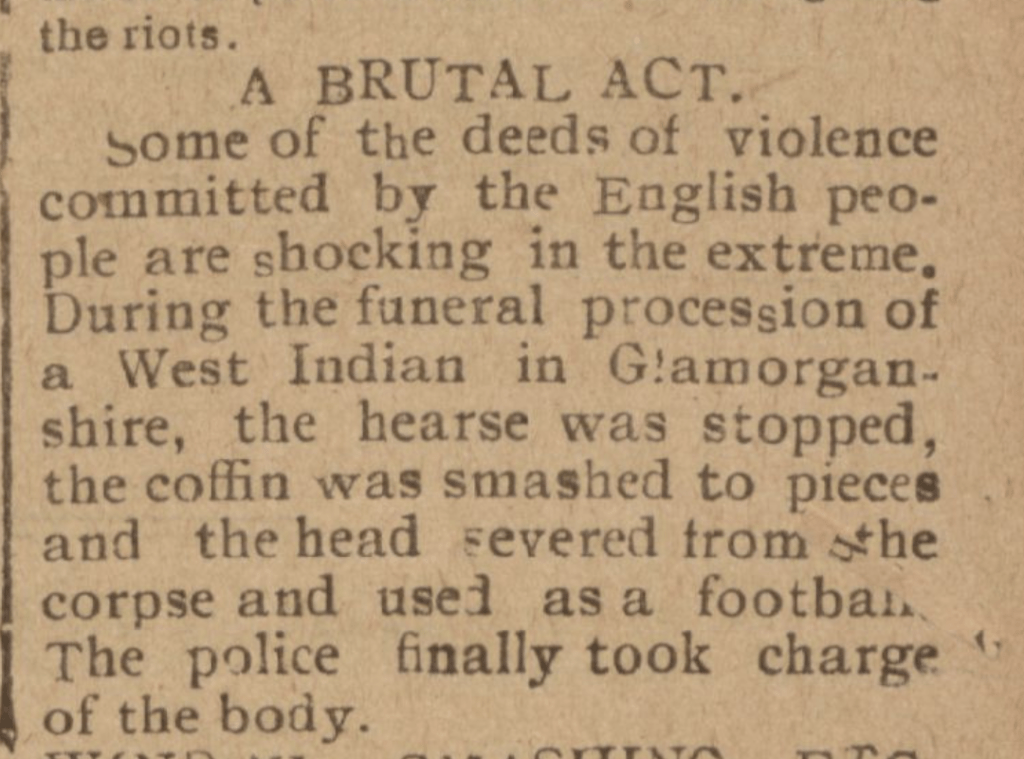
Folklore is often deeply linked to cosmology. When people were enslaved and forcibly trafficked to the West Indies, their cosmological systems remained. A nine night is a form of wake that takes place on the ninth night after someone has passed away, before the funeral and the burial. According to Garvey, that’s what the English did on Bute Street. A duppy is a spirit, one that lingers after death. The nine-night is held to guide the duppy to the afterlife and stop it from lingering malevolently. The decapitation of a body prior to the nine-night creates a duppy. In 1903, Professor Alice Werner wrote that the duppy is West African in origin, they are the souls of the dead: and that ‘the duppy in human form generally moves along by spinning or walking backwards.’ The article in the Argos and Garvey’s comments create a speculative duppy, one that’s north of the Salvation Army on Bute Street, but south of John Lewis. The desecration of a body and its spiritual impact is something that would have been exceptionally felt amongst the Caribbean diaspora in the UNIA’s crowd in 1919 New York. 1919 was a year of race riots across the world: there had also been riots in the USA and in the West Indies. Garvey told this decapitation knowing that it would have a huge impact on the crowd. The decapitation story proves that folktales borrow from each other, bringing a sense of cultural and cosmological understanding.
In Welsh folklore, souls go to rest in the Red Sea ahead of Yawm ad-Din, the Day of Judgement. Jinns didn’t need visas either, not from Aden, Yemen or from Hargeisa in British Somaliland. Aden and Somaliland were both British Protectorates, with Welsh coal on British ships sailing through the Red Sea, bringing the British Empire to its height in the early 20th century. Welsh identity and non-Welsh identity are not as separate as Welsh society would have us believe.
I wonder if the jinns and the Welsh souls cross each other.
Perhaps they do more than cross each other; maybe they share the same stories of exile and return. Do they compare notes on coal and oil? What did they make of Haile Selassie I’s camping trip to Swansea when Italy invaded? To conquer the duppy of our colonial past, we need to integrate Garvey’s duppy into the landscape of Iorwerth Peate and the Mabinogion. The folklore of 2026 is not Peate’s folklore: it’s one of Wales, the British Empire, and the world. Plantations in Guyana, ceremonial daggers from Yemen, and the docks of Cardiff Bay.
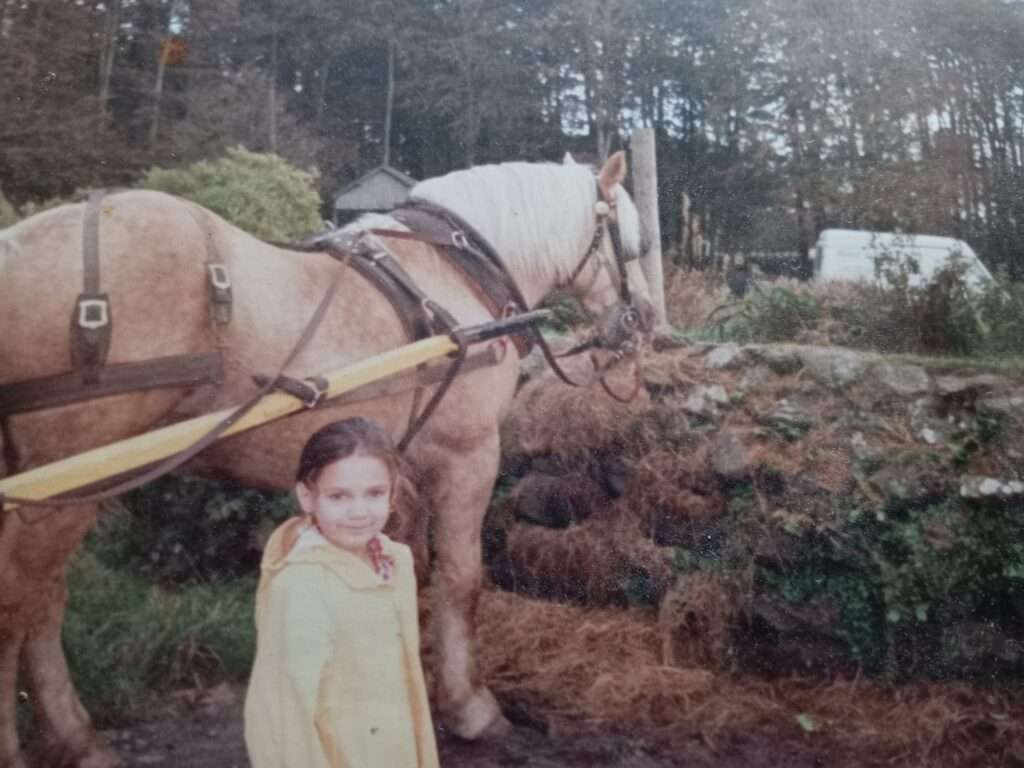
One of my earliest memories is at St Fagans. My mother, a mature student, had joined Cardiff University to study English Literature and Cultural Criticism. On our trip was Glenn Jordan and Chris Weedon, co-founders of Butetown History and Arts Centre. They spoke in ways that were reminiscent of my Daiji, my Pakistani great-uncle. They were knowledgeable, articulate, they commanded attention – and they also let my mother and I pause as she took a photo of me standing next to a horse. My great-grandmother kept this photo up in her room, and I saw it every day for nearly 10 years. I wouldn’t remember the St Fagans trip without the photo.
Only recently have museums become free in Wales, creating the possibility for a generation brought up on Welsh museums and Welsh folklore. A generation that coincided with the largest growth of the non-white community in Wales, growing from just 1% in 1991 to 6.2% in 2021. Within the Welsh museum and archive collections, there’s no single collection of folklore that celebrates all of Wales’ multicultural history. Yet, the impacts of colonialism and Empire are felt within folklore and within Welsh collections – not separate from them. And, in many ways, neither are we as communities in Wales.
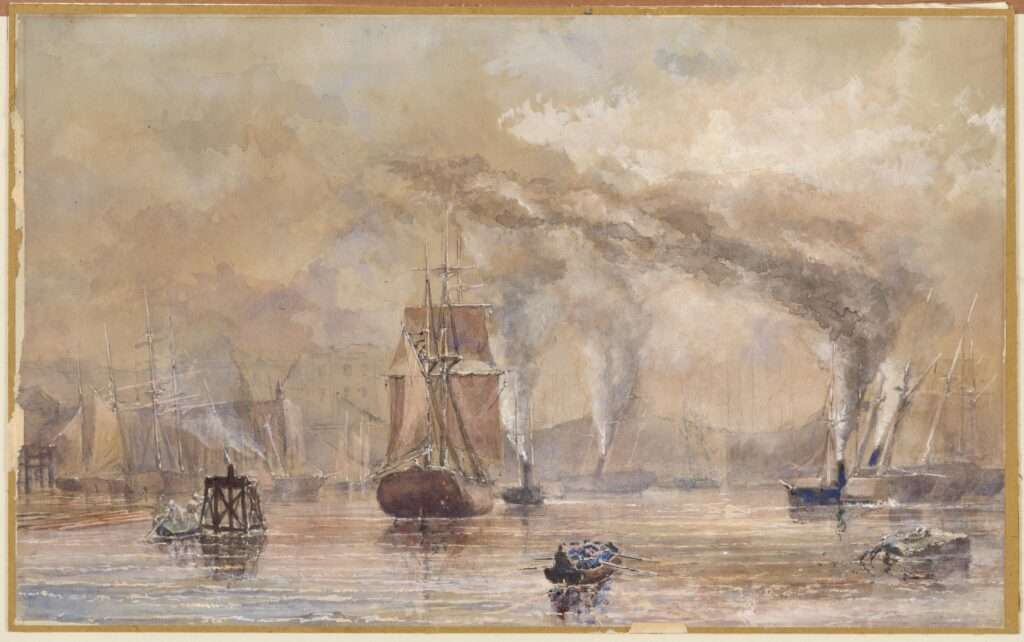
The water that laps at the shores of Cardiff Bay Barrage is the same water that touched the shores of Egypt, Somaliland, Yemen and Jamaica. In the Welsh language, there’s an idiom that comes to mind: dod yn ol at fy nghoed. The translation is ‘to go back to my trees’ or ‘return to a balanced state of mind’. In an archival video, the Bajan-Welsh historian Neil Sinclair explains that willow trees on the edge of Cardiff Bay were geographic markers for sailors coming into the Severn channel, so they’d know they had definitely arrived at Cardiff. In Pakistani folklore, jinns live in trees. So, if you walked along the Docks at night, whistling near the willow trees, you may invoke a jinn, malevolent, or benevolent. The Cardiff Bay Development Corporation kept those trees as a nod to the maritime history of Cardiff, and they’re still there today. The trees under which we were forbidden to whistle now provide us with shade as we explore the histories of our ancestors. We can’t wait for white-led galleries, libraries, archives and museums to see value in our work, in our communities, and in our heritage. We need to fund our own communities to undertake this work away from the white gaze, or to tick boxes for institutions who have failed our communities. I suppose – in many ways – we’re going back to the same trees our ancestors passed when getting off the ships. After all, Marcus Garvey said: ‘A people without a history is like a tree without roots.’
Reading List
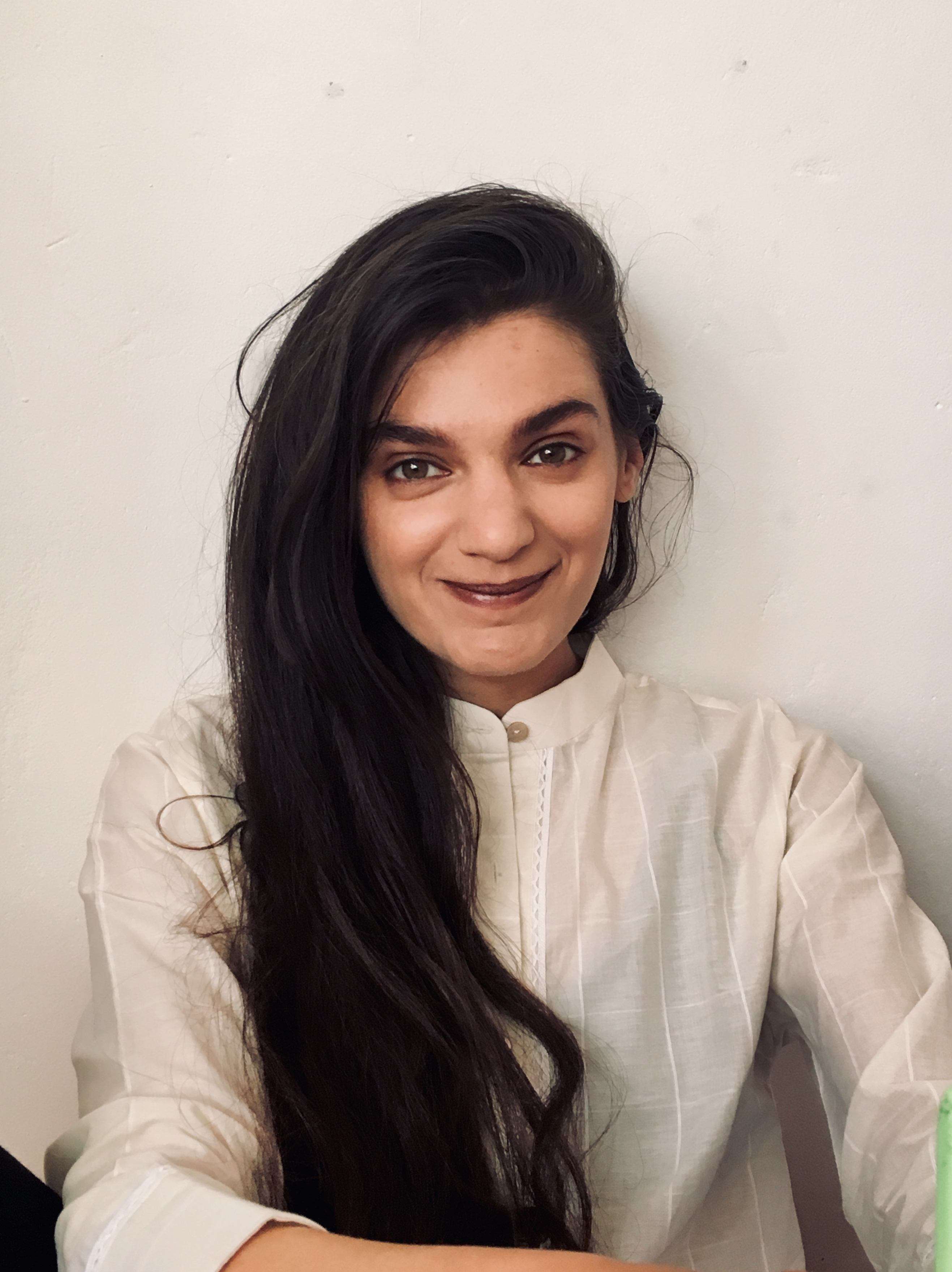
Yasmin Begum is an award-winning bilingual campaigner, writer, and artist based in Cardiff. Her work is characterised by a rigorous engagement with anti-colonial historiography, archival practice, and community participation. Her work on the Cardiff 1919 race riots is archived at the National Library of Wales, and her most recent work on decolonisation and Welsh cakes has been described as "a complete waste of taxpayers' money" by the Shadow Secretary for Wales, the MP Mims Davies. She has published with the Institute of Welsh Affairs, Cylchgrawn Cara, Vittles, and Gal-Dem. You can read more of her work on her Substack, "Decolonising Wales". In her free time, she enjoys watching archival films, hiking, and eating samosas.