Skip to content
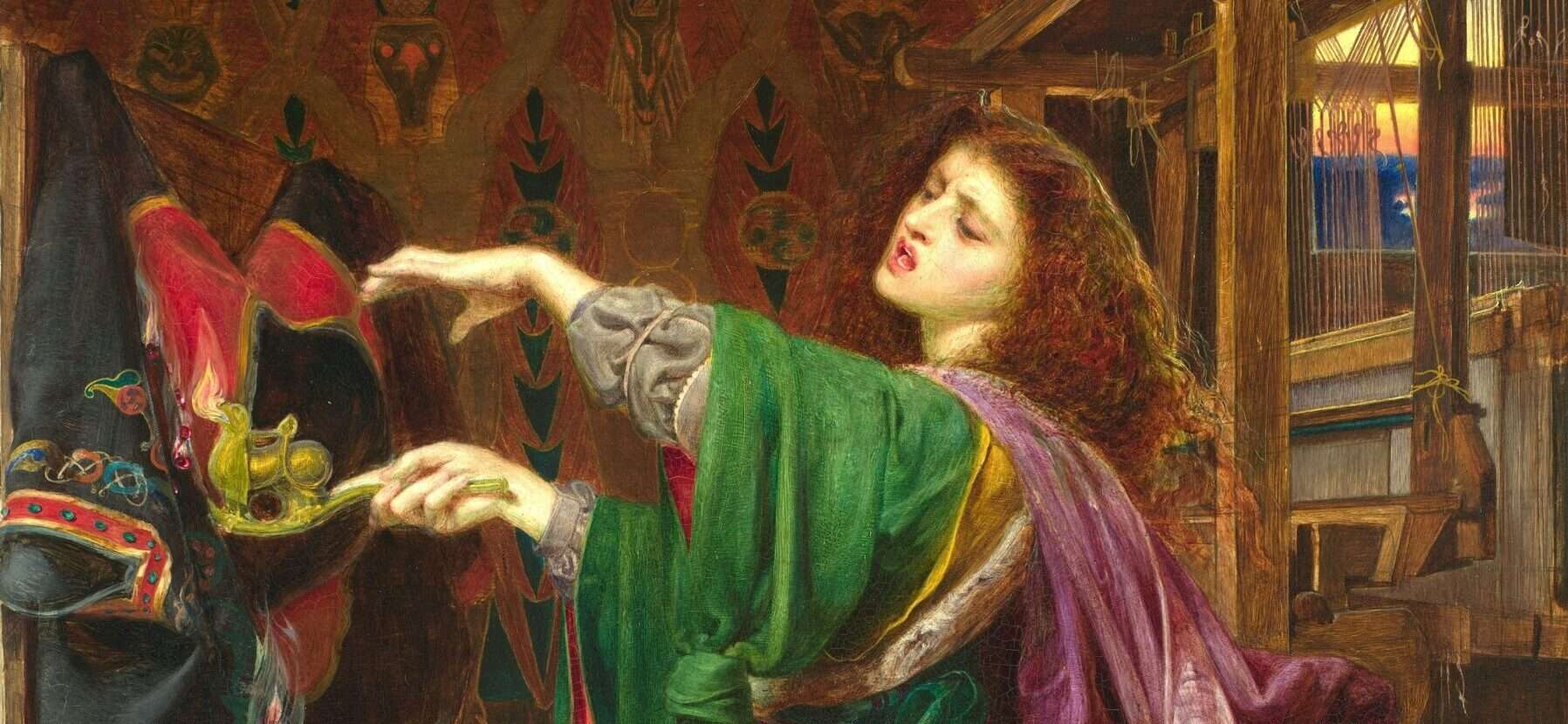
Kaja Brown sits down with South Wales-based novelist Sophie Keetch, at the culmination of her bestselling, Arthurian-inspired trilogy which reimagines the life and story of Morgan Le Fay, and finds rage and defiance at the very source of her mythology.
Kaja: I love the Morgan Le Fay trilogy. You have turned Morgan into such a brilliant and fascinating character. I wondered what made you want to write about her in the first place?
Sophie: It was really Morgan le Fay herself who came to me. I have always read medieval and Arthurian texts for pleasure, and one day I came across a scene in a text featuring Morgan le Fay that I’d never seen before. Morgan is doing something terrible and she gets caught, but she manages to talk herself out of her crime with such skill, and she is so fierce and clever in the whole situation that I was utterly captivated. (I actually recreated the scene later on, when I wrote Le Fay.) Obviously, I already knew a lot about her, but her voice and presence in this scene just blew me away and I started reading into the lesser-known events in her story. I realised that she had every right to be furious and vengeful in many of these circumstances and her infamous reputation often felt unjust.
Morgan began as a sort of benign goddess figure, but as the tales evolved and she was linked to King Arthur as his half-sister, she becomes a lot more involved in the larger story as an intelligent, powerful woman, but in turn is portrayed as ever more villainous. I wanted to interrogate that dark development in her character through Morgan’s own point of view, and hear her story in her own voice.
Kaja: Alys and Tressa are two female friends that are really important to Morgan, and I wondered if they appear in the Arthurian texts at all, or if you created these characters?
Sophie: Alys and Tressa are technically my own invention, but they did come from an idea that is present in the Arthurian texts which I found really powerful and wanted to explore – the concept of loyalty and honour between women. In the source texts, even when Morgan is doing something villainous, it struck me that she is always accompanied by a ‘loyal woman’ who has sworn her loyalty and stands beside her through everything. In the texts, these women are never named, but I really wanted to represent such a strong, faithful relationship in my version of Morgan’s story. And so Alys was created. I wanted Alys to be the person who is always by Morgan’s side, who loves and fully understands her, but also isn’t afraid to challenge Morgan when it’s necessary. As Morgan herself says, Alys is the ‘good in her heart’, and when Tressa comes later, they form a trio of love and female friendship that cannot be broken, and becomes essential as Morgan goes through her many trials. No matter what happens, she always has these two loyal women beside her, and they bring her the strength she needs to survive in this world.
Kaja: Morgan’s had a very, very hard life, so it’s nice that she has some people on her side, who are there for her. I also wondered – what made you decide to include a Sapphic romance? Obviously it’s not the main romance at all, but with Alys and Tressa, I just wondered why you decided to include their love story?
Sophie: This sounds a bit unlikely, I know, but it just sort of happened! Early on in writing Morgan Is My Name, there was a part where Morgan is busy reckoning with her romantic past and Alys is in bed ill, so Tressa is sent to tend to Alys and keep her company. They have a fair amount of time to bond and then, in a later scene, Morgan comes in and finds Alys and Tressa just looking out the window together at the sea. Their heads are close and they are talking quietly, and when I re-read it I realised ‘Oh… they love each other. Of course, it’s so obvious.’ So, while Morgan is off dealing with her very dramatic love affair, this low-key, gentle love story is naturally forming between Alys and Tressa in a way that I didn’t expect, but made perfect sense.
“She is a tempest of destruction and revenge and it was so much fun to write her that way”
Kaja: I love it. I feel like a big part of these books is feminine connection, feminine rage, and feminine power. I just wondered if you drew inspiration from today’s society, or real life at all?
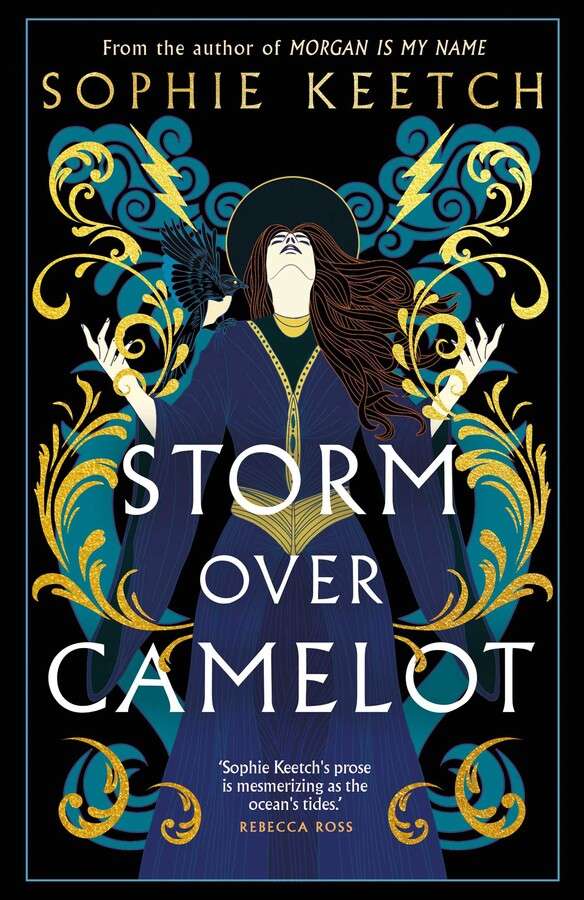
Sophie: The female rage comes from Morgan herself. That’s how I found her in the source texts – she is clever, furious, quick to anger, and she does things impulsively. She is full of feminine rage in many situations, but it was my privilege in writing these books to explore more deeply some of the reasons why. In Storm Over Camelot, I got to write Morgan le Fay as she is best known in the legend – she is a tempest of destruction and revenge and it was so much fun to write her that way, but what was most important to me was that we understand where her rage is coming from.
To me, there has always been something about Morgan’s story that still resonates in the modern world. Obviously, in many ways times have changed for women, but we are also still having to fight for our freedom, our rights. We are still living under patriarchy and we are rightfully angry about it. And that’s what Morgan is most often dealing with; the patriarchy, the systems of power designed to keep women in their pre-ordained ‘place’. In the trilogy, the true villain is not one person but the world itself, an environment created and perpetuated by kings and men.
Kaja: How much research did you do into this world?
Sophie: Working with Arthurian legend, I’m not writing history as much as I’m dealing with a mythological tradition. However, I want to make the world I’m writing a living, breathing place, so I do as much historical research as I can to make the settings and details feel real and convincing. For me, Arthurian myth has always been steeped in the Age of Chivalry, the jousting, falconry and colourful tournaments, castles and lavish courts, banquets and courtly love, knights and damsels. Therefore, I placed the books within this high medieval period (12th-13th century) and focused my research there. However, it’s still a magical world which operates within its own particular mythology, so of course there is room for poetic licence.
Kaja: How do you approach your research? You said you’ve been into Arthurian tales since you were a kid, so it sounds like you’ve been engaging with them for a long time.
Sophie: Yes, I’ve been interested in Arthurian legend since I was a child, and then I studied it at Cardiff University, where I fell deeply in love with it.
When I came to write the Morgan trilogy I did a month of solid research before each book to get myself started and make plans, then continued to read and do research throughout. Luckily for me, I can sit all day reading medieval Arthurian source texts and adore every minute. These stories make me laugh, cry, and they are exciting and absurd and heart-wrenching all at once. It’s a remarkable thing for me to be able to go and live in that world every day and have something I love so much be a part of my work. I’m just so into all of it.
Kaja: How long did it take you to write the books? That sounds like a lot of research and a lot of time that’s gone into it.
Sophie: Between all the writing, planning, reading and thinking, thousands of hours went into writing these books. When I wrote Morgan is my Name I didn’t have an agent, so I was just writing in my free time. I had a full-time job, so I was writing it five evenings a week, from 7pm till 11pm. I got the first draft finished in six months and then it took me twice as long to edit it. Now, I’m lucky enough to write full time, but the books have grown in scope and complexity. So Le Fay took the same time in months, but more hours. The third book, Storm Over Camelot, took me even longer, but it was such a complicated story. To conclude the trilogy, I was dealing with not only the end of Morgan’s story, but also the end of the Arthurian era, and there were a lot of plotlines I needed to tie up. I was making changes on it right until the very end, because I needed it to be perfect. All told, I wrote the first words of Morgan is my Name on the 1st March 2019, so the entire trilogy has taken just under seven years to complete.
Kaja: What does that creative process look like for you?
Sophie: Since I started writing full time, I have tried to keep to a typical working day and week, but I’ve realised that writing is often an energy game and I have to follow where that feeling goes. On some days I can write and write without pause, and sometimes the words won’t be there, so that’s a sign I need to walk away from the desk to do some thinking, planning or research reading. I mostly keep my hours regular, but sometimes if I’m in the zone or on deadline, I’ll end up working sixteen-hour days for three months and then have to take a month off. I don’t recommend that kind of schedule, but I also love the feeling of being obsessed with a book and thinking about it all the time. It’s the best feeling.
“It’s a remarkable thing for me to be able to go and live in that world every day”
Kaja: I was wondering, why did you decide to write Merlin like you did? Obviously there are so many different representations of Merlin. If you watch Merlin the BBC TV show, then you see him as a goofy and kind character, whereas in this book series he’s… quite slimy and nasty and, honestly, he’s the villain for a lot of it, right?
Sophie: Honestly, I wrote Merlin as I did because I couldn’t see him any other way – that’s how he is in the source texts. (My apologies to all the BBC Merlin fans!). While I’ve appreciated some of the friendly versions of him (especially T.H. White’s portrayal) I’ve never liked Merlin as a character. What he does – how he uses his magic to help Uther Pendragon get to Morgan’s mother and violate her – I cannot see that as anything but a heinous abuse of his power. And if you think about how much influence he has over Arthur since childhood, I feel like it raises questions over the power balance in their whole dynamic.
In the books, we also see how much Merlin’s presence in Arthur’s life affects Morgan’s relationship with her brother, since she hates the sorcerer and Arthur loves him. Of course, we are only seeing Merlin from Morgan’s perspective, so how she sees him (or how I do) does not negate other perspectives of Merlin. He’s a complicated presence in the legend, and that’s what I find so interesting.
Kaja: Thank you so much for answering these questions. This has been such an incredible book series. Now I am just wondering… what are you planning to write next?
Sophie: I don’t want to say much at this stage, but it’s in keeping with my previous books in theme and focus – it deals with mythology, medieval settings, difficult women, feminine rage. I call it my winter book – unlike Morgan’s pleasant seasons, this one is darker, colder. It has wolves, forbidding landscapes, wildness, family ties, war and blood feuds. It’s different in tone but is still very much a ‘Sophie Keetch’ book and I’m excited to dive into it!

Sophie Keetch read English Literature at Cardiff University, including the study of Arthurian legend. Her debut trilogy is a feminist retelling of the story of sorceress Morgan Le Fay.
The first book, Morgan is my Name, was a #1 Audible bestseller and one of the Sunday Times’ Best Historical Fiction novels of 2023. The audiobook, narrated by Oscar-nominated actress Vanessa Kirby, was a The Times Audiobook of the Week. The second book, Le Fay, was chosen for Paste Magazine’s list of Best Novels of 2024, and the audiobook was one of Audible’s Best of 2024. The third book, Storm Over Camelot, concludes the Morgan le Fay trilogy and was published in April 2026. Sophie’s work has been translated into several languages and can be found in bookshops across the world.
Sophie is Welsh and lives with her husband and son in South Wales.
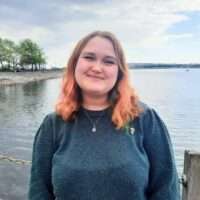
Kaja is the Marketing Associate for Folding Rock and wears a number of hats in Welsh publishing besides, including being the freelance Managing Editor of the welsh agenda, as well as being a facilitator and writer. Having studied Creative Writing in Aberystwyth, Kaja made the move to Cardiff a few years ago, where she spends her time writing, editing and reading (mostly fantasy novels).